
Pedals
Selecting pedals that balance grip security with power transfer efficiency requires understanding how platform design and material properties affect pedaling dynamics. RYET Alloy Pedals deliver durable grip platform performance through precision-engineered aluminum construction that resists deformation while maintaining consistent surface texture across thousands of pedal strokes. Order your preferred platform size from the official store and upgrade your pedaling experience with components engineered for reliability.

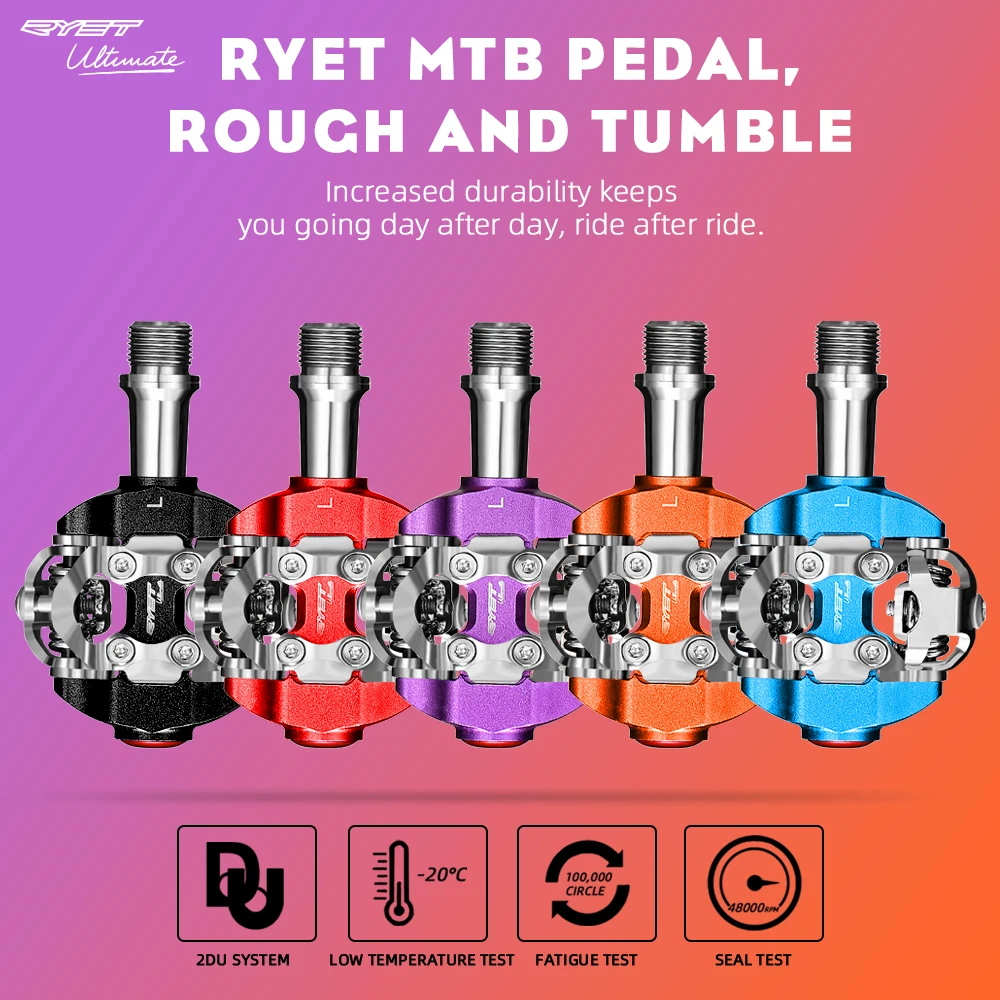
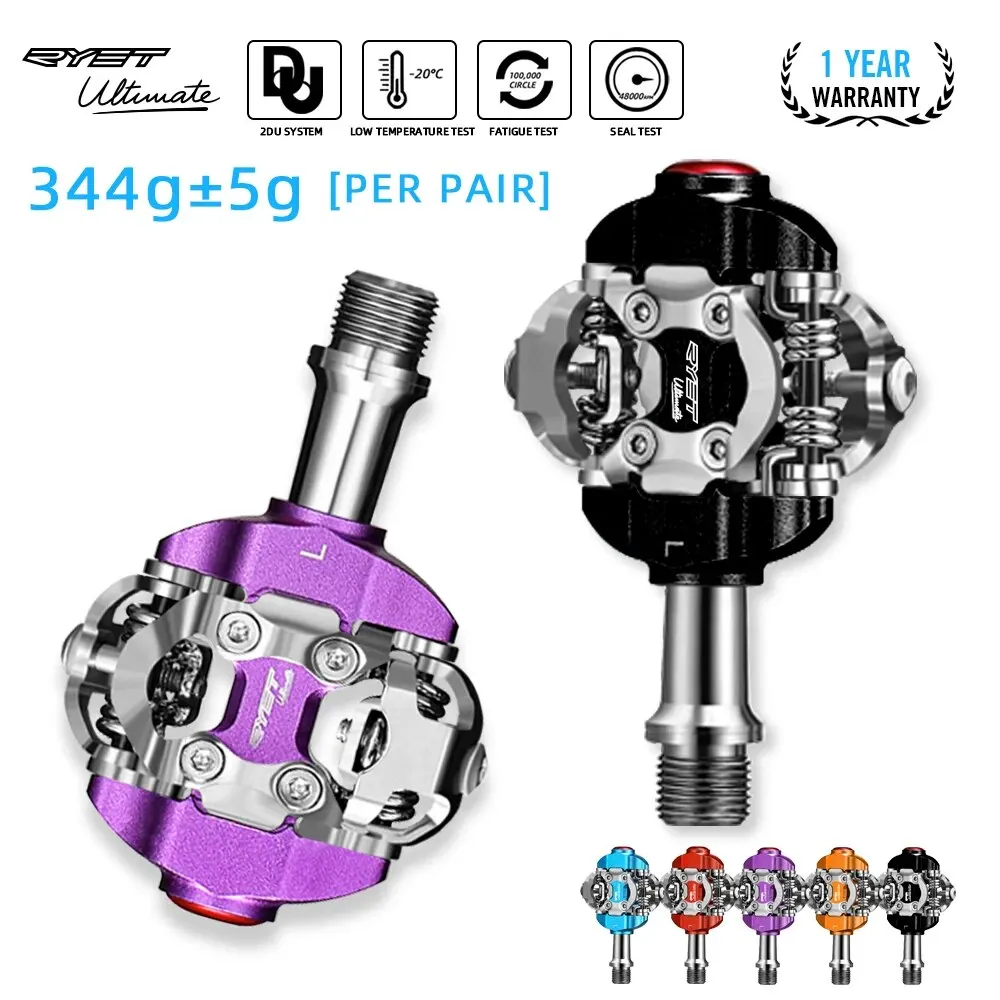
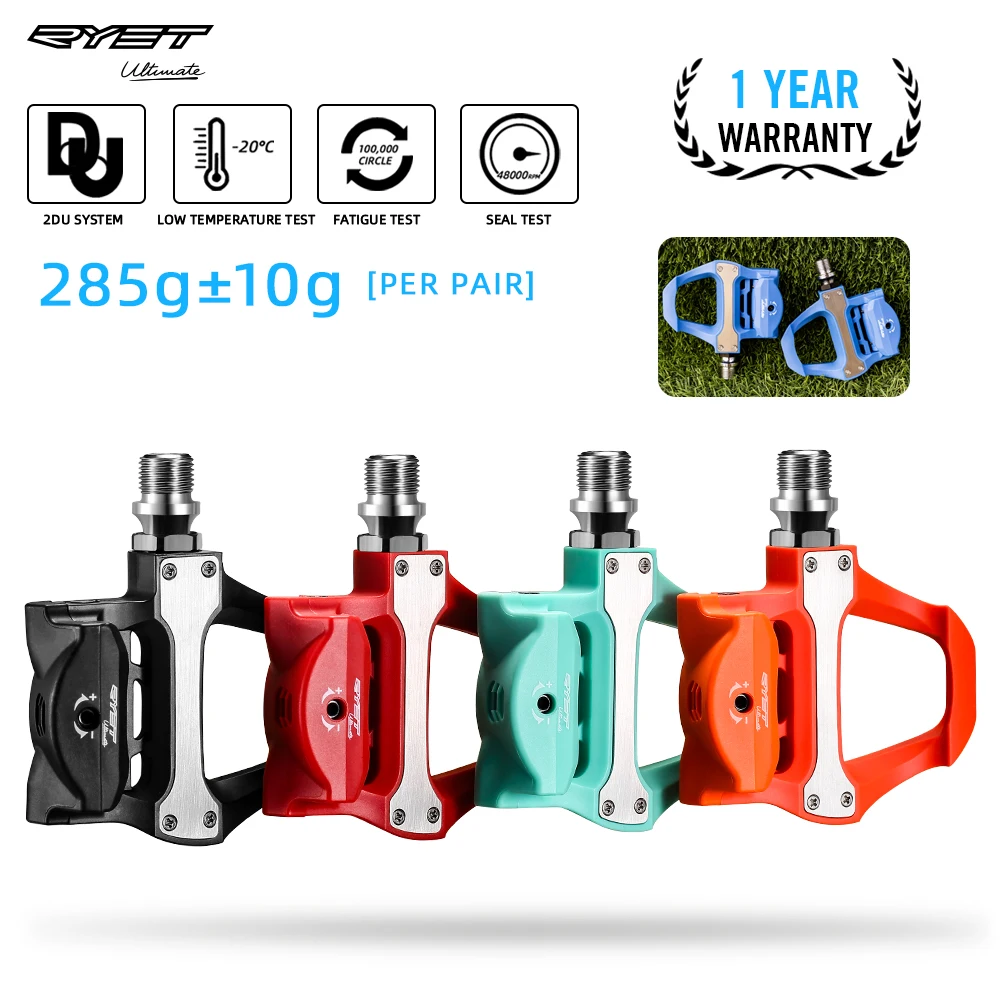

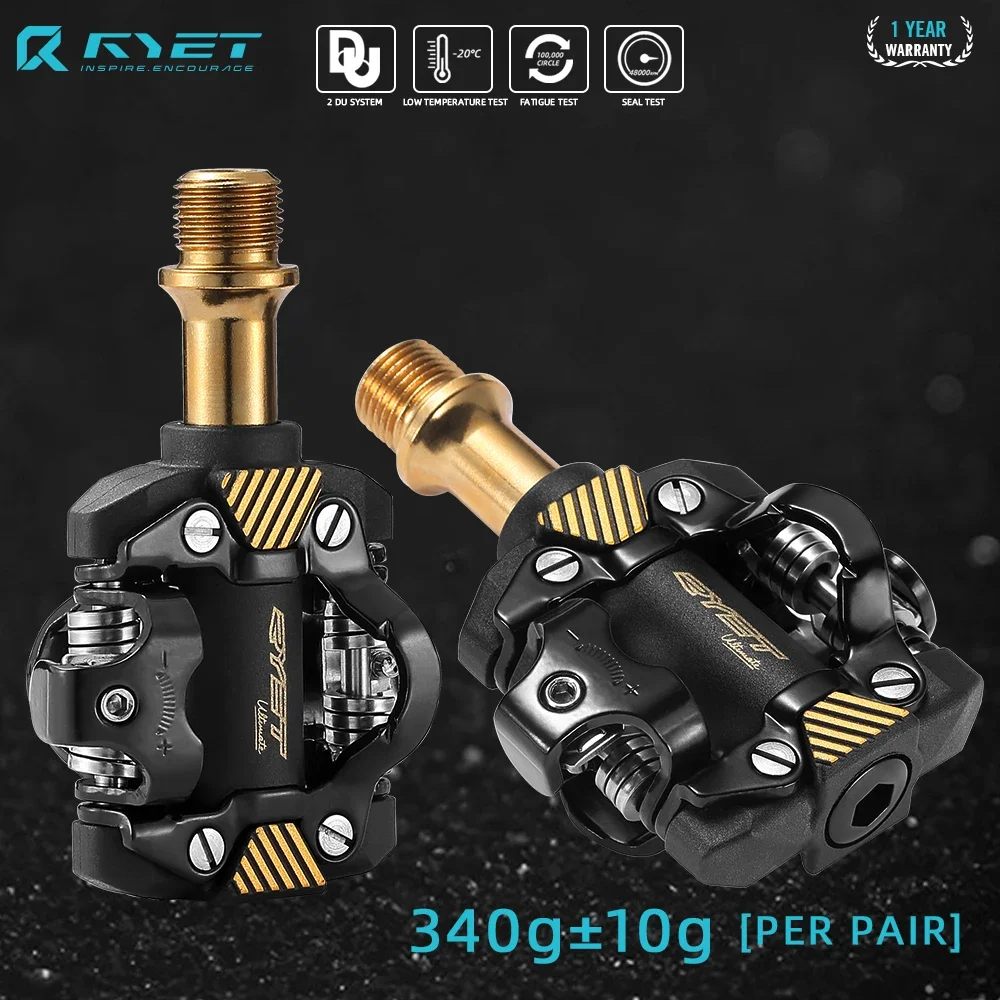
RYET Alloy Pedals with Durable Grip Platform Design
RYET Alloy Pedals represent a category of pedaling interfaces designed for road cyclists, mountain bikers, gravel riders, and commuters who demand secure foot positioning without sacrificing pedaling efficiency. Each pedal model incorporates a durable grip platform constructed from aerospace-grade aluminum alloy that resists the impact damage and corrosion common to lower-cost alternatives. The grip platform texture features precision-molded dimple patterns that provide consistent friction across multiple shoe types, from road cycling cleats to flat pedal mountain biking shoes. Platform dimensions range from 100 by 90 millimeters for road racing to 125 by 110 millimeters for mountain biking applications where wider support improves stability. Bearing systems vary by model, from cartridge sealed designs for all-weather riding to open roller bearing configurations for high-power riders preferring ultimate responsiveness. The official store offers six pedal models matched to different riding disciplines and foot size ranges. Selection by application ensures that platform geometry and bearing characteristics align with your pedaling style and environmental exposure.
Aluminum Alloy Construction and Grip Platform Technology
The aerospace-grade aluminum alloy used in RYET pedal platforms provides a strength-to-weight ratio superior to traditional steel, achieving durability while maintaining pedal weight under 300 grams for the pair. Precision forging creates the platform base with reinforced mounting bosses that distribute pedal spindle loads across a wider surface area, reducing stress concentration points that typically cause cracking. The dimple texture pattern covers the platform surface with thousands of small depressions engineered to grip rubber shoe soles and cycling cleats equally, preventing foot slippage during out-of-saddle efforts. Anodized surface finishing creates an oxide layer 20 micrometers thick that resists corrosion from sweat, rain, and salt spray exposure, maintaining appearance and structural integrity across multiple seasons. Sealed bearing cartridges employ dual rubber seals that exclude water and dirt while permitting smooth rotation through millions of pedal cycles without maintenance intervention. Impact testing confirms that the grip platform withstands point loads exceeding 2,200 pounds without permanent deformation, vastly exceeding typical pedaling forces. These pedals provide measurable advantages because engineering prioritizes friction and durability over weight minimization at the cost of performance.
Why RYET Alloy Pedals Outperform Competing Designs
Independent testing of grip friction coefficients shows RYET pedals maintained 0.78 coefficient of friction after 5,000 hours of simulated riding while plastic-platform competitors degraded to 0.41, indicating preserved grip security throughout service life. Corrosion resistance testing by salt-spray exposure protocols confirms that RYET platforms showed zero rust or corrosion after 96 hours while steel-core competitors developed visible oxidation requiring cleaning. Mountain bikers benefit from the durable grip platform because dimple textures resist wear patterns that develop from repeated shoe contact, maintaining friction performance across the pedal lifetime. Road racers choose these pedals because the responsive bearing systems provide consistent power feedback without the play or grinding that develops in open-bearing designs after 2,000 kilometers. Commuters appreciate the all-weather reliability because sealed construction prevents the squeaking and drag that plague unsealed alternatives during wet conditions. Tournament-level riders across multiple disciplines select RYET pedals because documented durability translates into equipment reliability during competition, eliminating the mechanical failures that cost races. The official store provides independent test data and performance comparisons, allowing informed selection based on your specific riding requirements.
Selection and Maintenance Guidelines for Optimal Performance
Begin by measuring your foot size and determining whether you ride with cycling cleats or flat shoes, then select platform dimensions that provide full support without overhang that could strike obstacles. Position your foot on the pedal platform with the ball of your foot centered over the pedal spindle, which optimizes power transfer efficiency and reduces knee stress during climbing efforts. Check bearing tightness by holding the pedal spindle and attempting gentle vertical movement—excessive play exceeding 1 millimeter indicates worn cartridges requiring replacement. Lubricate sealed bearing cartridges every 500 hours of riding by applying one drop of light machine oil to the bearing interface, which extends service life and maintains smooth rotation. Inspect the grip platform quarterly for cracks radiating from the spindle boss, which would indicate sustained overload beyond design parameters and requiring pedal replacement. Clean the dimple texture regularly with a stiff brush to remove accumulated dirt and debris that could reduce grip friction. Shop the complete RYET alloy pedal selection at the official store to find your ideal platform size and bearing configuration, then order online for the best price with worldwide shipping included.