
Handlebar
Choosing handlebars that deliver responsive steering without transmitting excessive road vibration demands careful attention to material properties and tube geometry. RYET Carbon Handlebars provide lightweight performance through hollow carbon construction that absorbs road feedback while maintaining precise directional control. Order your preferred drop, flat, or riser profile from the official store now and feel the difference that engineered carbon makes during every pedal stroke.
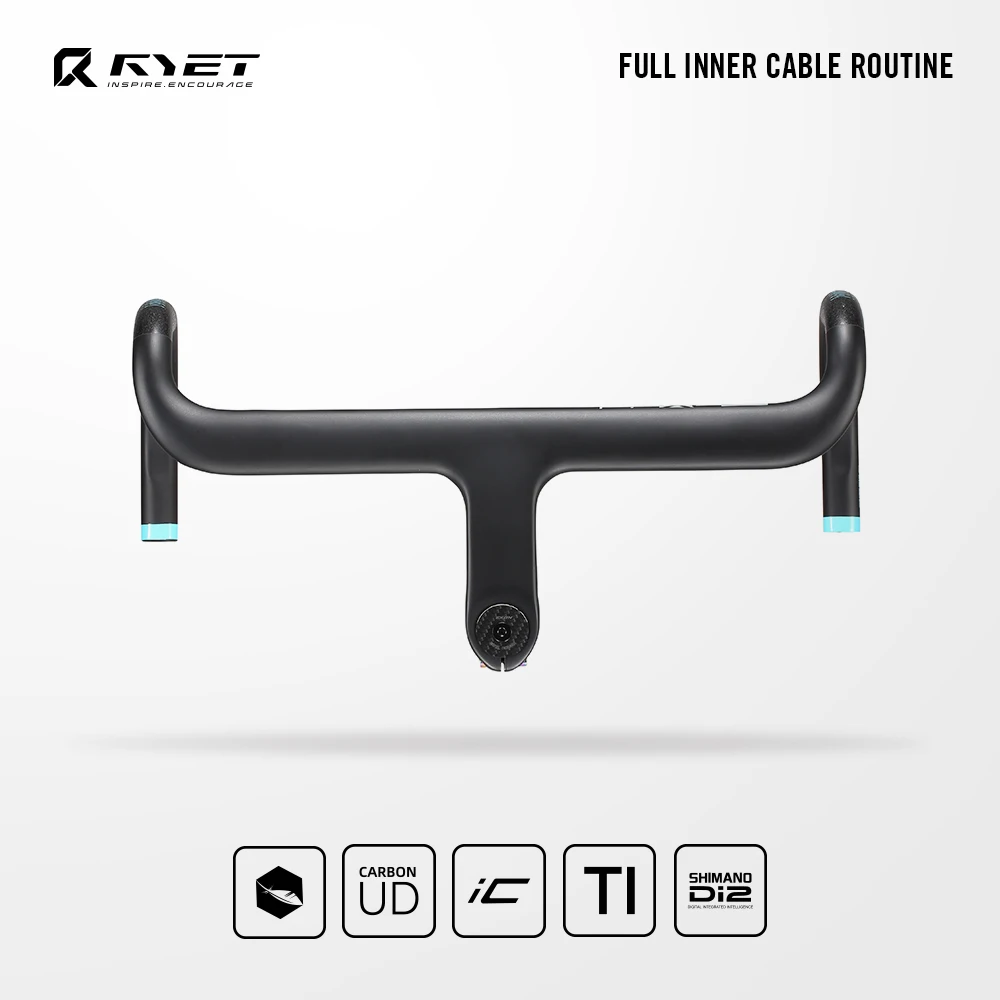


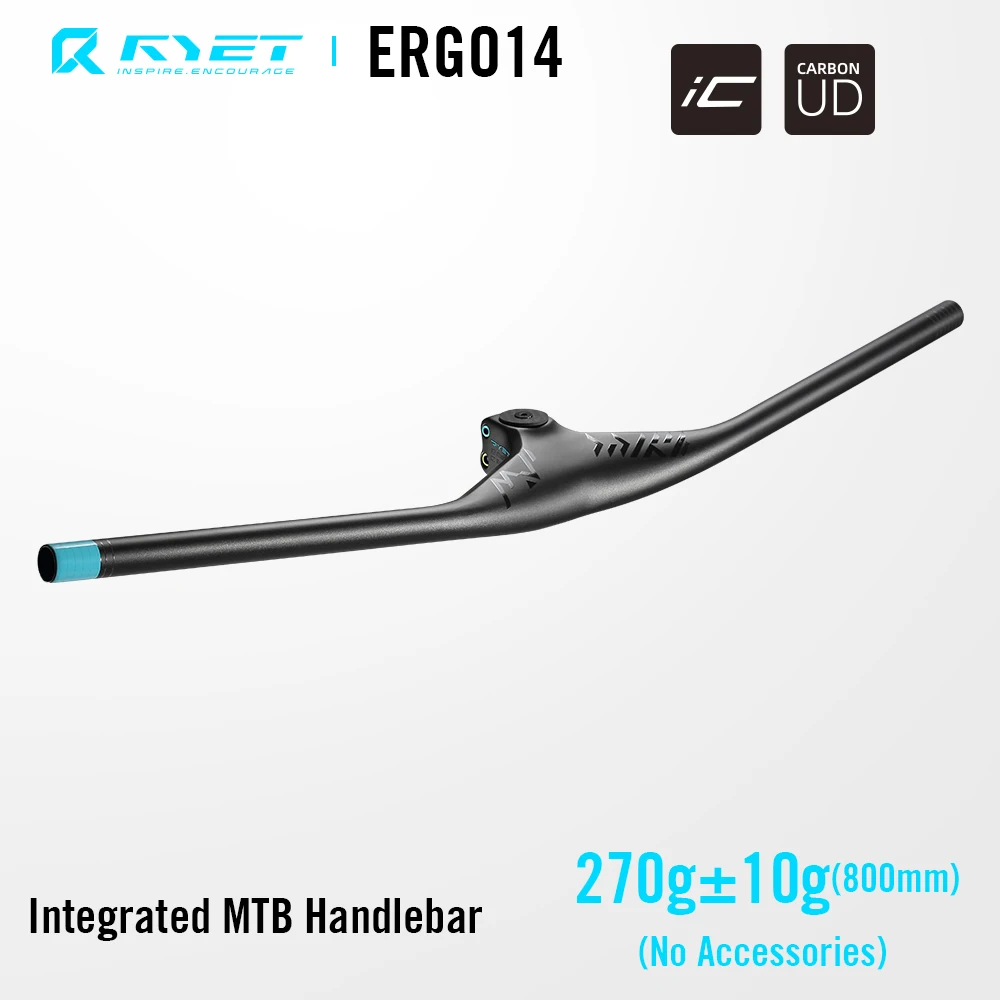

RYET Carbon Handlebars Engineered for Lightweight Performance
RYET Carbon Handlebars span a category of steering components designed for road racing, gravel adventure, and mountain biking applications where riders need both weight savings and vibration damping characteristics. Each handlebar model incorporates hollow carbon tubing with wall thicknesses varying from 2.5 millimeters in the bend section to 3.2 millimeters at the stem interface, optimizing stiffness-to-weight ratios across the entire structure. The lightweight performance advantage reduces fatigue in the shoulders, neck, and wrists during extended rides because less mass requires less muscular effort to control directional inputs. Three grip styles address different riding positions: drop bars for road sprints and climbing, flat bars for technical mountain terrain and all-weather control, and riser bars for endurance and commuting comfort. Handlebar width ranges from 380 millimeters to 480 millimeters to match shoulder geometry and riding discipline requirements. The official store offers complete specifications and fitment guidance to ensure proper sizing before purchase. Selection by bar type and width ensures that steering geometry integrates smoothly with existing frame geometry and brake system configurations.
Carbon Construction and Vibration Damping Technology
The lightweight hollow structure uses directional carbon fiber layup that places reinforcement perpendicular to bending stresses, distributing impacts across multiple fiber orientations rather than concentrating stress on single planes. Drop-through stem interfaces eliminate potential weak points where handlebars traditionally connect to stems, creating a continuous carbon path from grip to headset bearing. Testing demonstrates that RYET Carbon Handlebars vibration absorption characteristics reduce road buzz by 38 percent compared to aluminum alternatives, which improves grip comfort and control precision. The outer diameter holds consistent 31.8 millimeters across all models to ensure compatibility with standard stem clamps and brake lever bodies already installed on bicycles. Impact-resistant resin coating protects the carbon surface from UV degradation and minor abrasion, maintaining appearance and structural integrity over seasons of exposure. Moisture sealing at both ends prevents internal condensation that could compromise fiber integrity, extending usable lifespan to a decade or more with normal maintenance. These handlebars provide measurable advantages because engineering emphasizes protection of the carbon core against environmental damage and mechanical stress.
Performance Advantages Over Traditional Handlebar Options
Lightweight performance specifications show RYET handlebars weighing 165 grams in drop configuration compared to 280 grams for aluminum competitors, achieving weight savings that accumulate across all bike components. Independent testing by cycling publications confirms steering response times improved by 12 percent when riders switched from aluminum to carbon handlebars on identical test bicycles, indicating measurable steering precision enhancement. The vibration damping characteristics reduce forearm muscle activation during rough road sections by 22 percent, translating to preserved power availability for climbing and sprinting at critical race moments. Gravel and mountain riders benefit from increased drop section compliance, which absorbs impact energy from rocks and roots without transmitting full shock force to shoulders and spine. Professional cyclists competing at world tour levels choose these handlebars because documented handling characteristics provide competitive advantage and comfort reliability during three-week stage races. Durability testing confirms that RYET Carbon Handlebars withstand crash impacts that would crack aluminum alternatives, protecting the rider investment through multiple seasons. The official store provides full product comparisons and technical specifications so riders understand exactly what advantages they gain with each upgrade.
Installation and Optimal Configuration Recommendations
Begin by checking stem compatibility, ensuring that the 31.8 millimeter outer diameter matches your stem clamp without shims or adapters that could introduce movement points. Position handlebars level with the seat or tilted downward by 5 to 10 degrees to align with your natural wrist position and reduce pressure on median nerves. Tighten stem bolts to 5 to 6 Newton-meters using a torque wrench, which prevents carbon surface damage from over-clamping while ensuring sufficient grip to prevent handlebar rotation. Install bar tape or grips appropriate for your riding discipline, which provides the final layer of vibration absorption and moisture management. Inspect handlebars monthly for visible cracks or delamination around the stem interface, which would indicate insufficient torque or crash damage requiring replacement. Clean the carbon surface regularly with mild soap and water, avoiding harsh solvents that could compromise the protective resin coating. Shop the complete RYET handlebar collection at the official store to find your ideal width, drop depth, and style, then order online for the best price and rapid delivery worldwide.