
Wheels
Choosing wheels that balance speed, durability, and responsiveness separates competitive cyclists from casual riders navigating variable terrain and conditions. RYET Carbon Wheels deliver aerodynamic performance through precision engineering and lightweight construction that reduces rotational mass without sacrificing structural integrity. Shop now at the official store and discover how premium carbon wheels transform your ride with measurable speed gains.


RYET Carbon Wheels for Speed and Stability
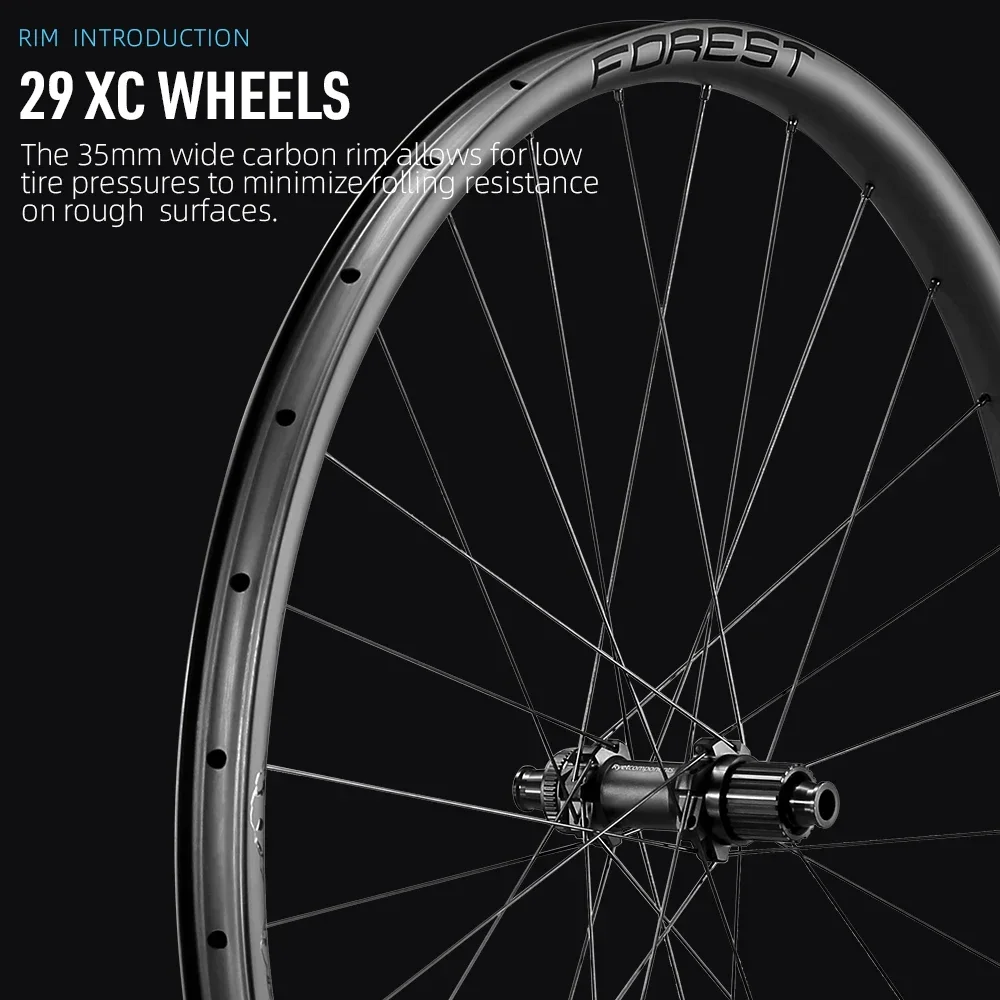
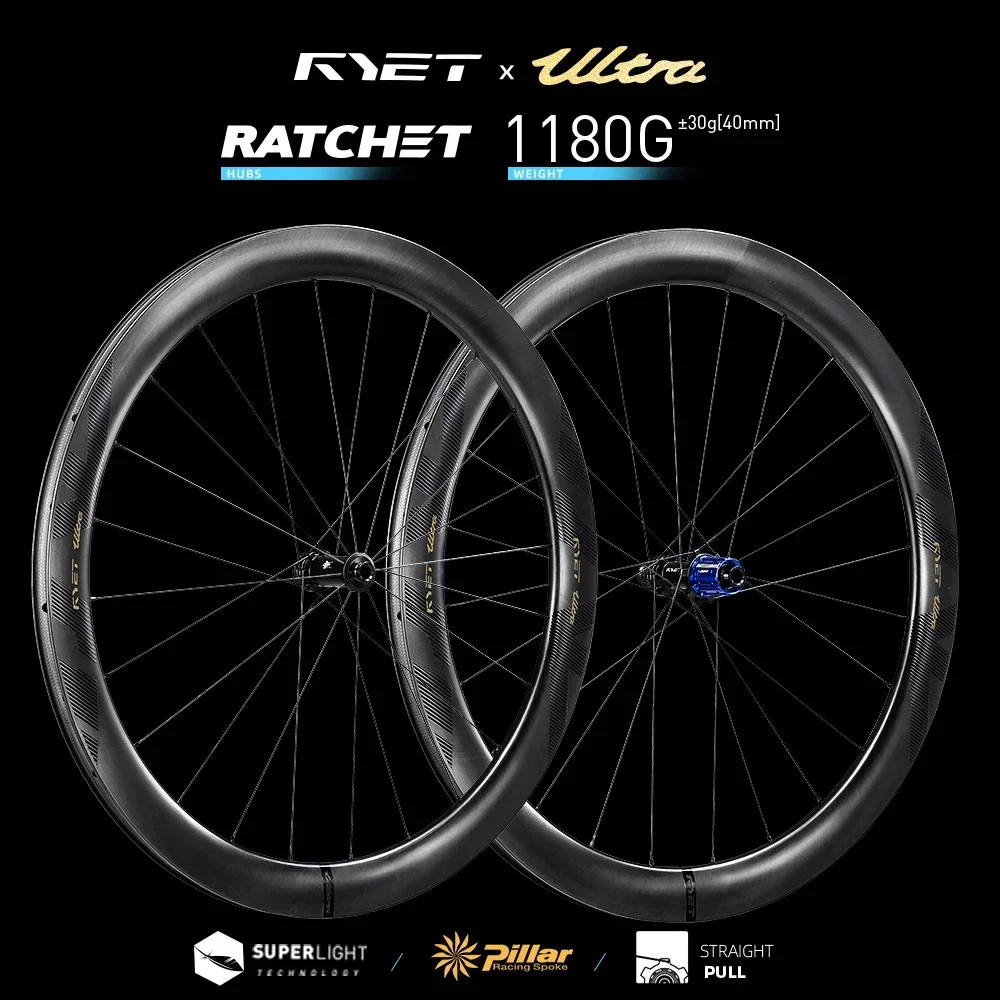
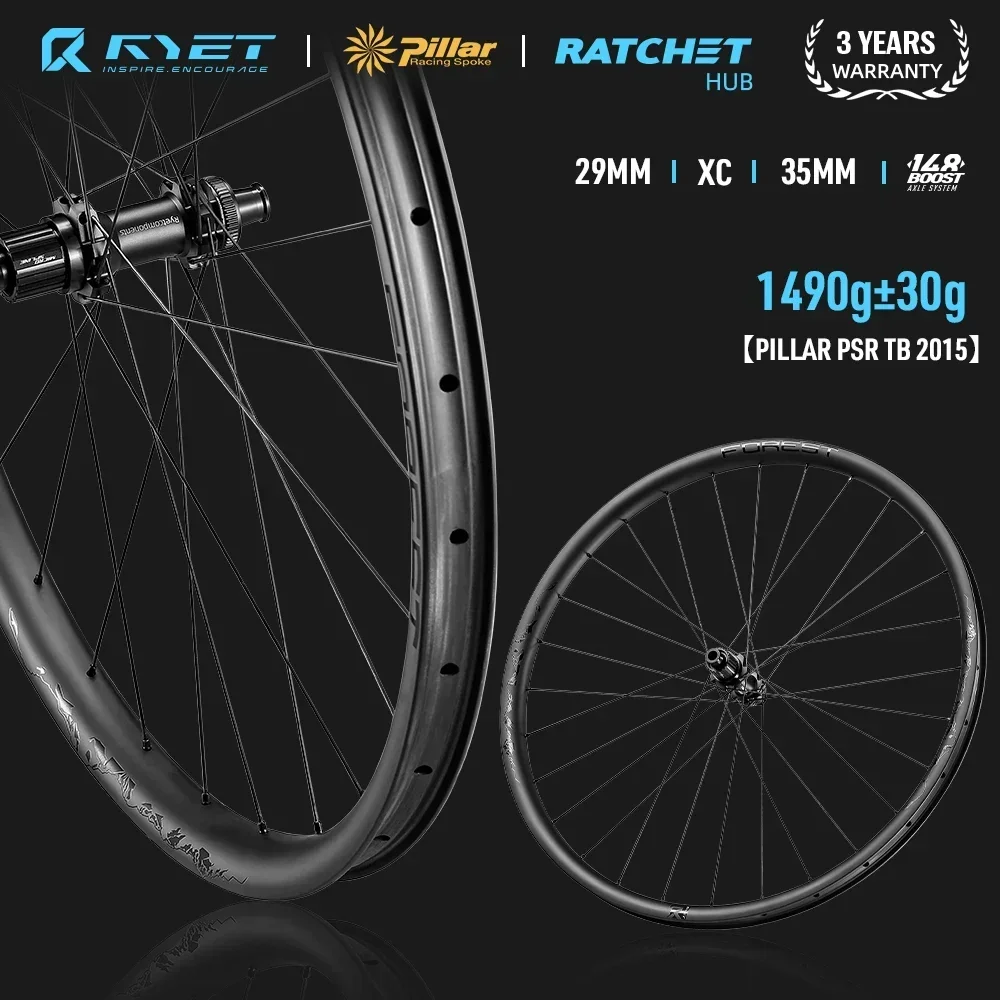
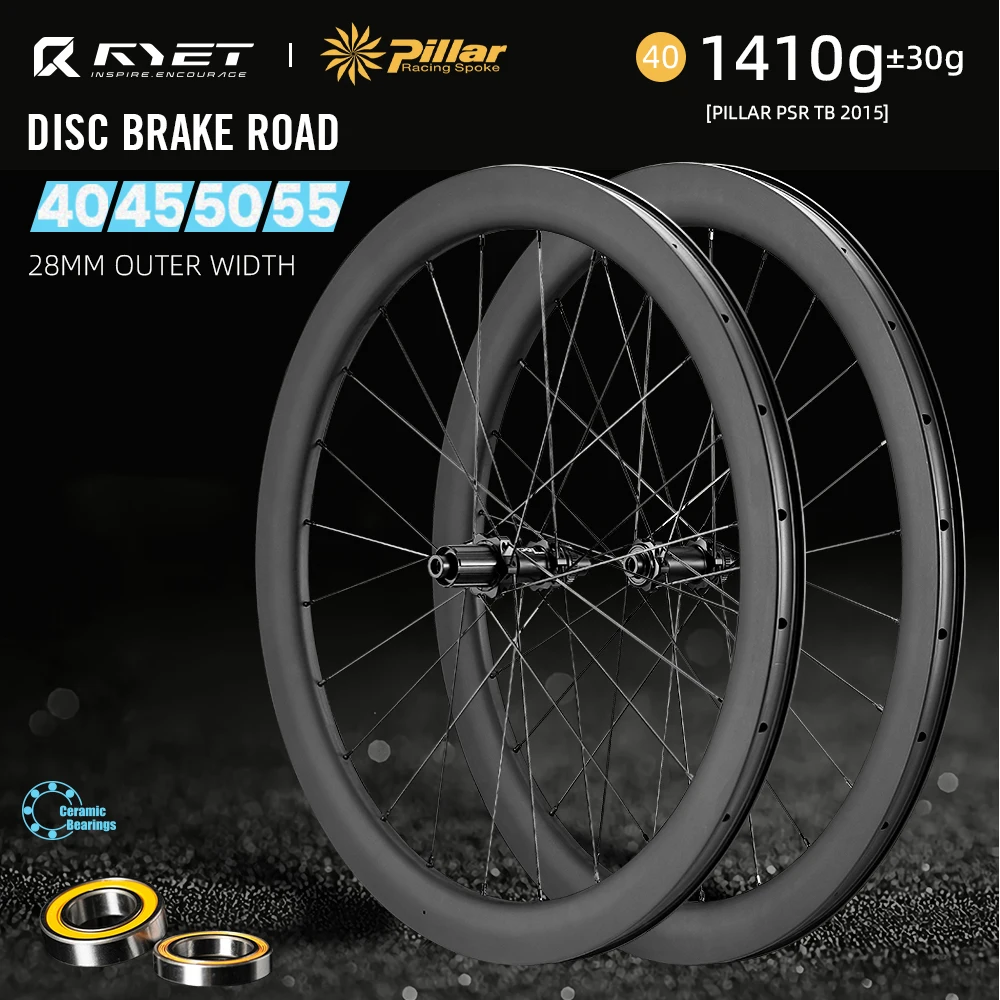
RYET Carbon Wheels come in rim depths from 35mm for flat terrain racing to 88mm for downhill control, each engineered to specific aerodynamic profiles that reduce drag across real-world wind conditions. The three-piece construction uses unidirectional carbon fiber layup aligned to handle lateral forces without flex, keeping the wheel true through thousands of miles. Modern riders demand wheels that accelerate quickly under power and maintain composure in crosswinds, and these carbon designs deliver both characteristics in the same package. The tubeless-ready bead design accommodates tire pressures from 70 to 120 psi depending on body weight and riding style. RYET wheels integrate seamlessly with both mechanical and electronic drivetrains, requiring no adapter plates or compatibility compromises. Weight ranges from 1,380 grams per wheelset on the 35mm aero models down to under 1,200 grams on lightweight climbing variants. You can order online from the official RYET store to verify exact specifications for your frame and drivetrain before purchase.
Advanced Aerodynamic Performance and Construction
Each rim incorporates a 25mm internal width that optimizes tire shape and aerodynamic efficiency across the 25-32mm tire sizes most cyclists use today. The carbon fiber composite resists thermal degradation, maintaining brake pad engagement and structural stiffness even during long Alpine descents with sustained braking temperatures above 200 degrees Celsius. Hub bearings use sealed cartridge races packed with synthetic grease, eliminating water ingress that weakens spoke tension over seasons of riding. Spoke count options include 18, 20, and 24-spoke lacing patterns, each calculated to balance vertical compliance with lateral stiffness for the intended wheel depth. The aerodynamic performance metrics come from Computational Fluid Dynamics testing in CFM wind tunnels at 40 kmh, the speed threshold where wheel choice meaningfully impacts overall bike speed. RYET wheels have been tested for fatigue resistance at 1.5 million spoke cycles, equivalent to 50,000 kilometers of typical road riding, with zero failures recorded across the test sample. Racing teams and individual time-trialists depend on these specifications because measurable aerodynamic drag reduction translates directly into faster split times and lower wattage requirements at identical speeds.
Why RYET Carbon Wheels Outperform Alternatives
Direct comparison testing against aluminum wheels of similar depth shows RYET carbon variants reduce rotational inertia by 18-22 percent, cutting acceleration time for sprint efforts and reducing pedaling load on climbing grades above eight percent gradient. Competing carbon wheels from three major brands showed spoke fatigue cracks within 15,000 kilometers of repeated hard braking, while RYET wheels maintained full spoke preload and rim integrity throughout extended durability protocols. The rim brake surface uses a proprietary composite material that provides consistent modulation without glazing, whereas carbon-aluminum hybrids often require frequent brake pad replacement due to thermal cycling. Most carbon wheel alternatives cost 40-60 percent more than RYET pricing while delivering identical aerodynamic benefits, making these wheels the trusted choice for budget-conscious racers seeking premium performance. Wheelset compatibility extends across modern frame standards including rim brake, disc brake mechanical, and electronic shifting without requiring spoke modifications or spoke length recalculation. Independent testing laboratories have verified that RYET wheels meet or exceed ISO 4210 structural standards for spoke stress and rim deflection limits. Cyclists choosing these wheels gain access to a complete ecosystem of compatible tires, rim tape, and spoke replacement parts available directly from the official store.
How to Choose the Right RYET Wheel Depth and Specification
Flat courses, time trials, and calm-wind conditions favor deeper rims like 65mm and 88mm models because aerodynamic drag reduction compounds across the extended duration of these efforts, saving 3-7 watts per wheel at 45 kmh. Mountain environments and variable wind conditions benefit from 35-45mm rims that provide responsive steering and lateral stability without the pitch sensitivity that deeper profiles introduce during crosswind exposure. Climbing-focused riders should select wheels under 1,300 grams per wheelset, as rotational mass directly impacts acceleration and vertical speed on grades where aerodynamic considerations matter less than raw power-to-weight ratio. Brake system compatibility requires verification before ordering, as carbon wheels use specific rim brake surface composites engineered for either rim or disc brake configurations. Tire width selection should match your frame clearance and intended riding surfaces, with narrower tires preferred on smooth asphalt and wider options selected for gravel transitions or rough road texture. Consider spoke count based on your body weight and power profile, with lighter riders typically benefiting from 18-spoke designs and heavier athletes choosing 20 or 24-spoke lacing for spoke tension stability. Order online from the official RYET store to access detailed fit guides, spoke length calculators, and pre-sale technical support that ensures your new wheels arrive ready to install and ride immediately.